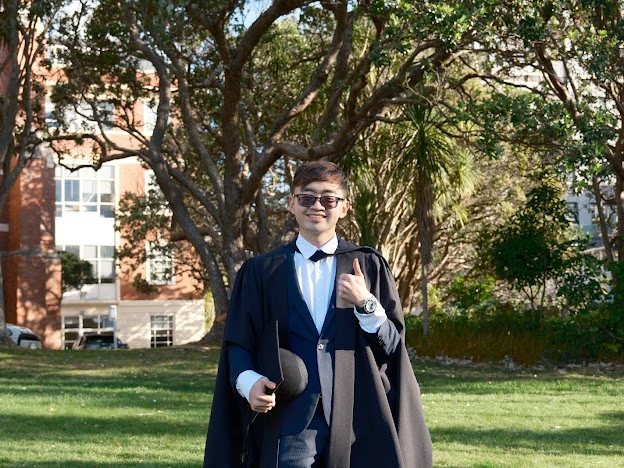
It started with mental health.
I didn’t begin with a plan to work in communications and events. I began with an interest in mental health and in what makes it easier—or harder—for people to talk about it.
Growing up in Cambodia, I became interested in the gap between needing support and actually seeking it. Access to services was part of that, but so was the way people understood mental health and whether asking for help felt normal or uncomfortable.
At that point, I wasn’t thinking about communications as a career. I was thinking about more practical questions. How do you explain a difficult subject without making somebody feel judged? How do you make it easier for people to join a conversation they might otherwise avoid?
That interest eventually became something I could build around.
Learning by making things.
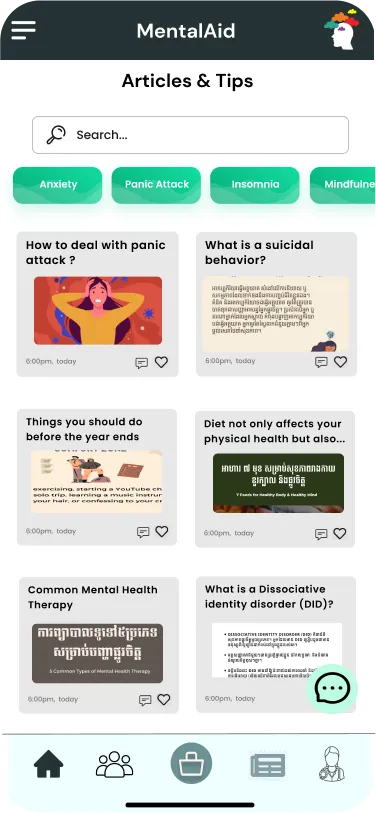
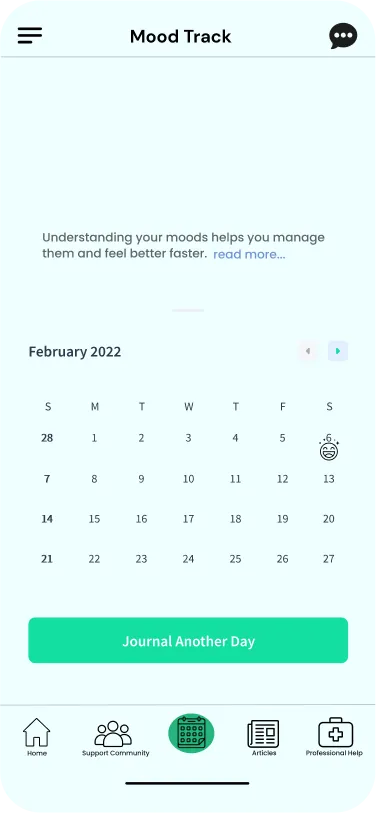
In 2021, I co-founded MentalAid, a Cambodian mental-health startup.
Our team researched community needs, spoke with potential users and stakeholders, and gathered 249 online survey responses. We worked on a mental-health website and app prototype, explored educational content and tested different ideas about what the platform could offer.
There were plenty of ideas. The harder question was which ones would actually make sense to the person using them.
Working alongside UX/UI designers pushed me to think beyond what we wanted to put on a screen. I started thinking more about what someone would actually see, what they would understand and what they might do next.
We also had to learn how to explain the idea to other people.
Our team reached the SmartSpark final in 2021 and the BMC—Business Model Competition final in 2022. Pitching meant being able to explain a complicated idea clearly enough for somebody unfamiliar with it to follow.
It also meant listening when people challenged the idea.
That was one of my first experiences of learning that creating something is rarely about getting it right the first time. You put something forward, people respond, and you go back to it again.
Bringing people together.
In 2022, I initiated KHNHOM (“Me” in Khmer), a community mental-health awareness event in Cambodia.
The idea was fairly simple: create a place where people could learn about mental health, hear directly from professionals and feel comfortable taking part in the conversation.
KHNHOM has continued annually, with psychologists and psychiatrists speaking at the event.
I am especially proud of that continuation.
A lot of projects are exciting while you are directly involved in them and then disappear once people move on. KHNHOM kept going.
It also gave me my first real taste of how communication and coordination fit together. You can have a good idea for an event, but people still need to know about it, understand why it might be useful to them and feel that it is for them.
There is a lot that happens before anybody walks through the door.
Starting again somewhere new.
In October 2022, I moved to Wellington.
Not long after arriving, I was fortunate enough to land a role as a mental-health workshop facilitator with Manawa Ora—Student Wellbeing at Te Herenga Waka—Victoria University of Wellington.
I was still very new to New Zealand, new to the University and new to working in this kind of environment.
A lot of what I know now has been learned as I’ve gone.
The work pushed me outside my comfort zone fairly quickly. I was facilitating with students, working with staff and learning how a large university actually operates behind the scenes.
What made that easier was being surrounded by people who were willing to support me while still expecting me to grow.
That balance has mattered a lot.
Roles changed. The work kept growing.
The University went through significant budget cuts and restructuring in 2024.
During that period, my role changed and I became a Bubble Leader, helping keep The Bubble running through a period of change.
The title later changed to Student Wellbeing Facilitator in 2025.
Then, in 2026, I moved into my current role as Peer Support Coordinator.
Looking back, each step gave me a little more responsibility.
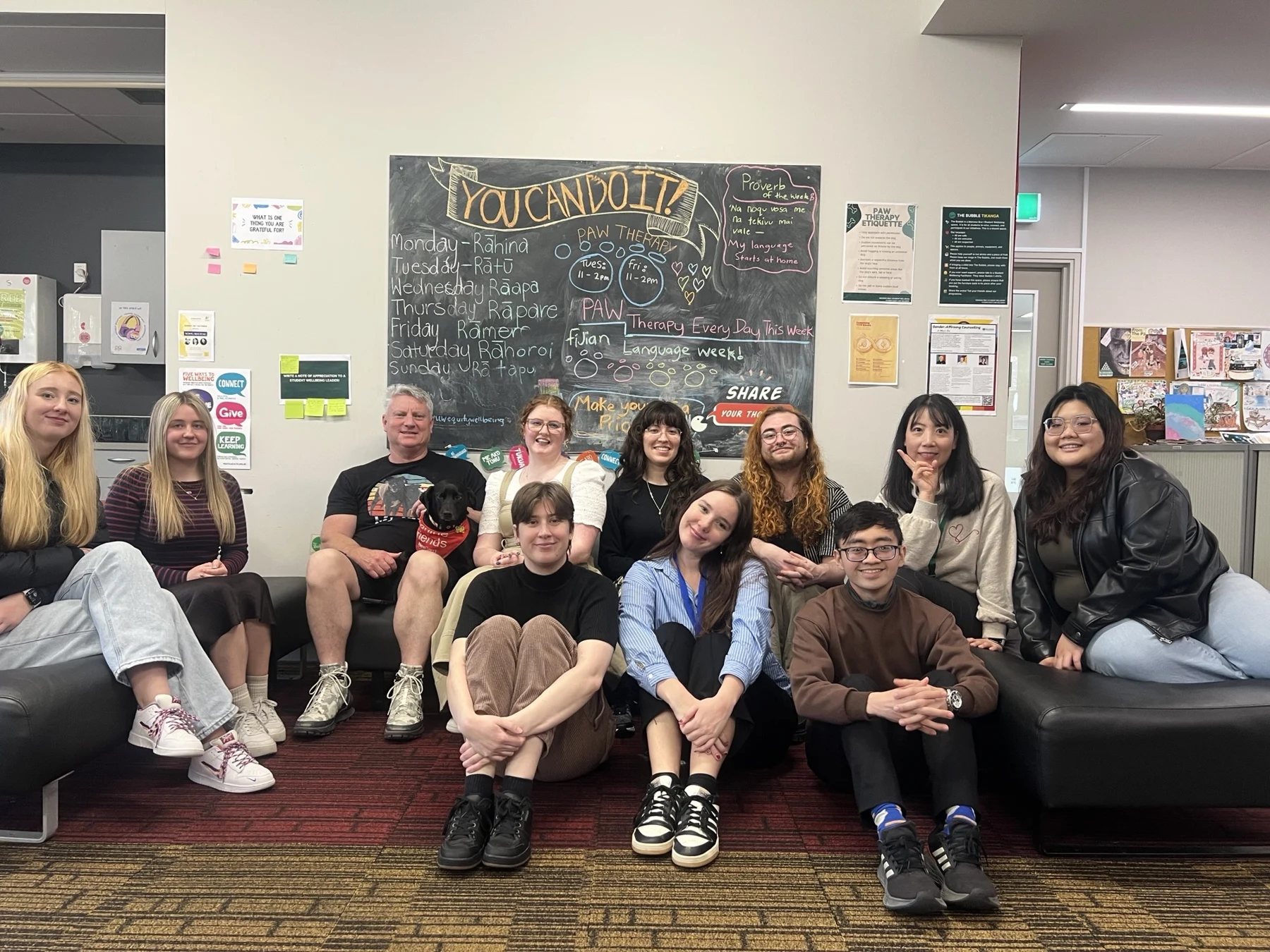
Today, I coordinate The Bubble across Kelburn, Pipitea and Te Aro and help support a team of 15 Student Wellbeing Facilitators.
I do not do that alone.
I work alongside my fellow coordinator, Aimee, and the division of work between us often happens quite naturally. Aimee takes much of the lead on the roster; I tend to handle more of the written communication and weekly emails.
Our manager, Amelia, supervises me and has taught me a great deal about the practical side of leading people, making decisions and keeping a service moving.
Rachel, who leads the wider team, has also been supportive of the work we do and of the team as a whole.
One thing I genuinely value about the culture is that there is structure from the top, but there is also room for ideas to come from the bottom up.
I have never felt that the people doing the day-to-day work are supposed to stay quiet.
Our ideas and thoughts are listened to and encouraged.
That has probably helped me become more confident about putting ideas forward myself.
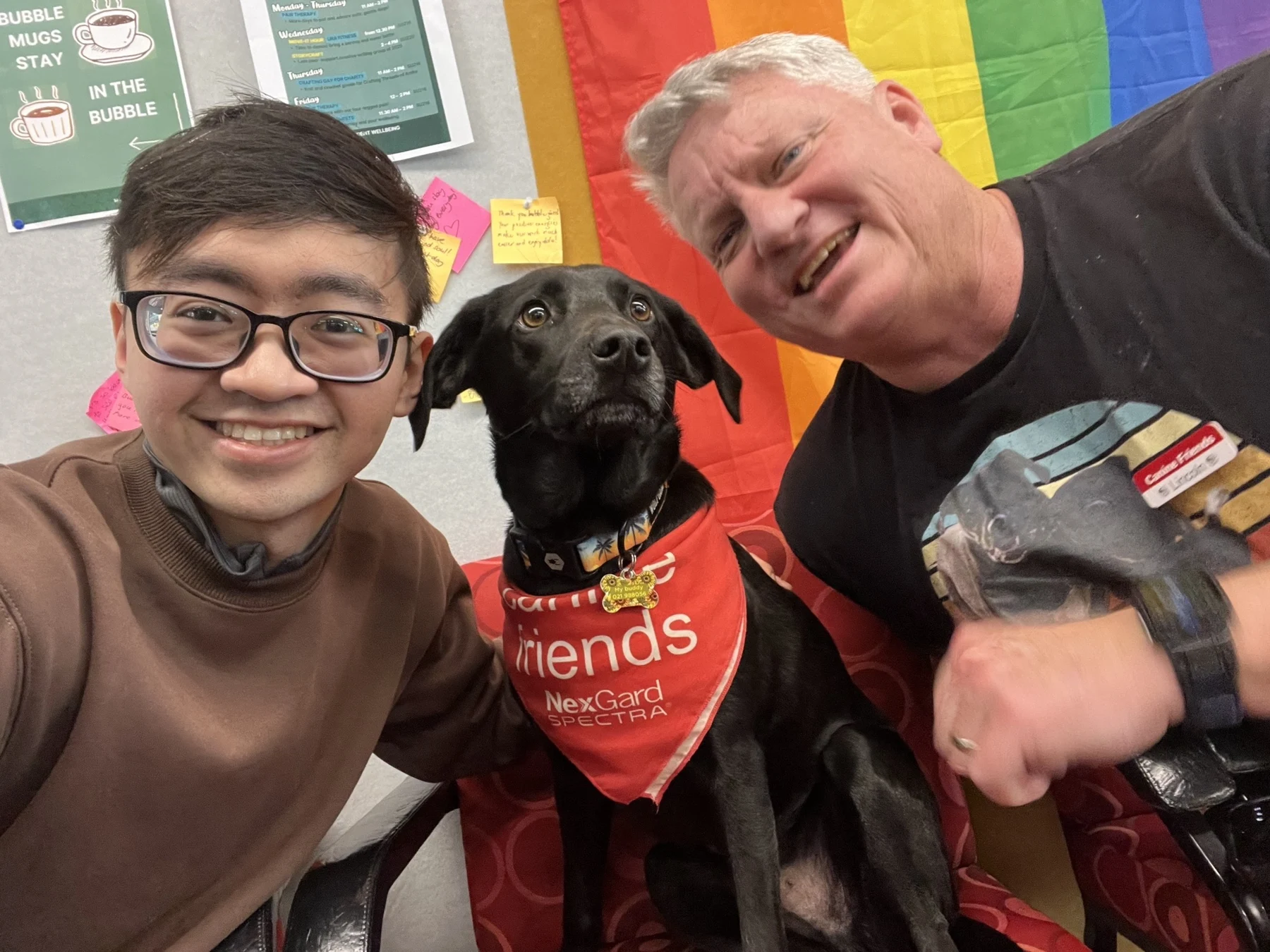
Every day is different.
One of the things I like about coordination work is that there is never really one type of day.
Some days are mostly emails and planning. Some days are presentations. Some days there are meetings, resources to finish, students needing help, facilitators asking questions and something unexpected happening at the same time.
You can have a list in the morning and realise by lunchtime that you are nowhere near the end of it.
I have delivered 52 wellbeing presentations, helped plan staff training and meetings, supported facilitators across three campuses and contributed to events and collaborations with other University teams.
I also look at The Bubble’s engagement data every day.
I like the combination of numbers and observations. The data can tell me what is happening; the facilitators and students often help explain why.
There is always something to learn from the way a service is actually being used.
The words and the design.
As my role changed, communication became a much bigger part of what I was doing.
I now spend a lot of time writing.
I write the weekly emails for our facilitators. I write student-facing information, social posts and video scripts. I create and refine Canva resources, and through my Service Resilience Assistant duties I have also taken on additional design work across the wider portfolio.
I enjoy that part of the job more than I expected.
I have actually always liked writing, although the earliest evidence is slightly embarrassing.
When I was in Grade 6, I wrote my first comic book.
It was called The Space War.
I sold copies to my friends for $2 each.
I rarely tell people about it because it was full of grammatical errors and I am fairly sure the story made much more sense to me than it did to anyone reading it.
But apparently I was already interested in making things for other people to read.
Since then, the formats have changed quite a bit.
During volunteering, I wrote newsletters and web content. Later, I wrote a Master’s thesis. Now I might be writing a weekly staff email in the morning and working on a poster in Canva later that afternoon.
The thing I like about writing is that the format changes the job.
A thesis gives you thousands of words to explain something carefully.
A lecture gives you a few minutes.
A poster might get a few seconds of someone’s attention while they are walking past.
That means constantly asking:
What matters most?
What can be removed?
What will someone notice first?
What do they need to know next?
I’ve become much more interested in those small decisions, and colleague feedback often shows me something I did not notice on the first pass.
What happens before the doors open.
Since 2024, I’ve been involved in delivering Empowered to Thrive—Health and Wellbeing at the University.
In 2026, I took a more hands-on coordination role for a session delivered in collaboration with Student Learning and Student Success, which was attended by 91 students.
The event itself is the part people see.
Behind it are emails, presentations, room details, resources, timings, people who need instructions and small things that somebody has to remember.
There is something satisfying about watching an event happen and knowing how many small pieces had to line up beforehand.
And events do not always go exactly to plan.
Sometimes you have to make a decision quickly, ask for help or work out another way of doing something.
That is part of the job too.
Learning while doing.
A lot of the progress I’ve made at Te Herenga Waka has come from being given responsibility before I necessarily felt completely ready for it.
Presenting to a large lecture theatre is a good example.
I do it comfortably now, but that confidence did not appear automatically.
The same has been true of coordinating people, putting my own ideas forward, showing somebody a design I have made or taking responsibility when something needs sorting out.
Sometimes you have to throw yourself into the deep end a little.
What makes that manageable is knowing that there are people around you who will support you if you get stuck.
I have been fortunate to have that.
I am still asking questions. I still ask for help when I do not understand something. And I still find things I would do differently the next time.
I think that is probably how most of the useful learning has happened.
Asking better questions.
Alongside my work, I completed a Master of Education by Research, graduating with an A+.
Research has probably shaped the way I approach communications and coordination more than I realised at first.
It made me more comfortable checking assumptions, looking for patterns and asking whether the evidence actually supports the conclusion I want to make.
I use some of those same habits at The Bubble.
I review the programme data every day and combine that with what facilitators are seeing and what students are telling us.
Numbers can tell you that something is happening.
People often tell you what the number cannot.
I like having both.
I have learned a lot from other people.
One thing that has become clearer to me over the last few years is how much of this work depends on relationships.
You can be organised and creative, but you still need people.
Aimee and I have different strengths, and that makes the coordination work better.
Amelia has supervised me through a period where I have taken on more responsibility and has taught me a lot about how to approach the role.
Rachel has helped create an environment where the team is supported and where people can contribute ideas.
I value that.
The best teams I have worked in have enough structure that people know what they are responsible for, but enough openness that people can say, “I think we could do this differently.”
That is the kind of environment in which I tend to do my best work.
I only really noticed the pattern recently.
MentalAid was a startup.
KHNHOM was a community mental-health event.
The Bubble is a student wellbeing programme.
My Master’s was research.
At the time, I did not think of them as pieces of one career story.
But when I look at the parts of those experiences that I keep enjoying, some things repeat.
I like writing.
I like explaining things clearly.
I like thinking about how somebody will experience information.
I like designing something and then showing it to somebody else to see what I missed.
I like putting the pieces of an event together.
I like working with people.
And I like looking afterwards at what actually happened and asking what we could do better next time.
That is probably why communications and events now feels like a natural direction for me.
I am not pretending I know everything about the field.
A lot of what I know has been learned as I’ve gone, and there is still plenty more I want to learn.
But that is also part of what appeals to me.
Every day is different.
There is always another project, another audience, another problem to work through and another chance to get better at it.
I’d like to keep going in that direction.
Dara Ea
Wellington, Aotearoa New Zealand